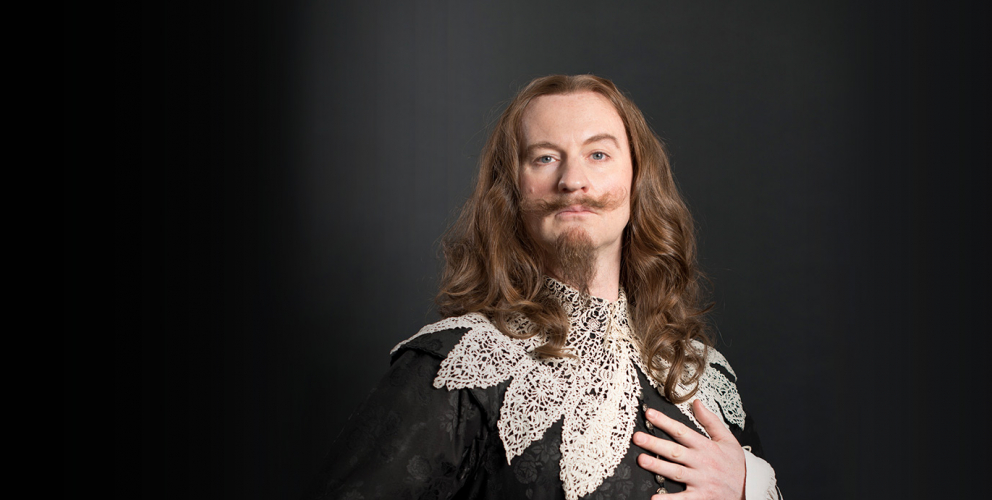
55 DAYS
A HAMPSTEAD THEATRE PRODUCTION
55 Days
By HOWARD BRENTON
Directed by HOWARD DAVIES
Running time: 2 hours and 30 minutes including a 20 minute interval
£15 - £29 (See ticket information)
We are not just trying a tyrant, we are inventing a country. We are in an unknown region, floating on nothing, trying to think thoughts never thought before...
Main Stage
18 Oct - 24 Nov 2012
£15 - £29
Box Office: 020 7722 9301
December 1648.
The army has occupied London.
Parliament votes not to put the imprisoned King on trial, so the army moves against Westminster and the only military coup in English history takes place. But the army leadership remains divided: Cromwell would prefer a compromise with the King, but the King will not compromise.
A new nation must therefore be forged…and over 55 days, an entirely new world is created.
Howard Brenton depicts the culmination of the mid-seventeenth century. In these dangerous and dramatic times, in a country exhausted by Civil War, the great men of the day were trying to think the unthinkable: to create a country without a king. Brenton’s most recent theatre credits include The Ragged Trousered Philanthropists (Liverpool Everyman/ Chichester Festival Theatre), Danton’s Death and Never So Good (National Theatre) and the award winning Anne Boleyn (Shakespeare’s Globe).
Brenton reunites with director Howard Davies after their critically acclaimed productions of Never So Good and Paul (National Theatre). Associate Director of the National Theatre, Davies numerous theatre credits include The Cherry Orchard, Burnt by the Sun, The White Guard and Blood and Gifts (all National Theatre), A Moon for the Misbegotten (Old Vic/Broadway) and Who’s Afraid of Virginia Woolf? (Almeida).
Mark Gatiss has recently been on stage at The Donmar Warehouse in The Recruiting Officer, at the National Theatre in Season’s Greetings and All About My Mother at the Old Vic. On television he has played Mycroft Holmes in the BBC’s cult Sherlock, and has major roles in The Crimson Petal and The White, Being Human, Worried About The Boyand George Gently. Recent film includes Match Point directed by Woody Allen, andStarter for Ten.
Douglas Henshall’s recent stage credits include Betrayal (Comedy Theatre), The Last Days of Judas Iscariot (Headlong/Almeida Theatre) and The Cryptogram (Donmar Warehouse). His many TV appearances include leads in Shetland and The Secret of Crickley Hall (BBC 1), Doors Open (ITV 1), South Riding and The Silence (BBC 1). Films include Dorian Gray and Ripley Underground.
-
The Times
55 Days reviewDouglas Henshall, gives us a still, burning, troubled Cromwell, part politician, part zealot, jabbing at Bible verses. Mark Gatiss, beaky and disdainful with a camp Morningside diction, beautifully delivers Brenton’s 17th-century rhythms, especially in Charles’s authentic lines: it is not hard to believe in the half-superstitious nervousness of the regicide lawyers. It was a fragile moment, not least because the Army had briskly “purged” royalist MPs by force, leaving an emaciated Parliament of lesser legitimacy .
But from it grew modern democracy, an apposite reflection as Parliament’s reputation now wobbles and the National Theatre runs the hilarious This House about 1970s’ chaos. Not a bad choice for a Jubilee year either, after 60 years of a carefully neutral Queen and an heir whose black-spider opinions fret the Attorney-General.
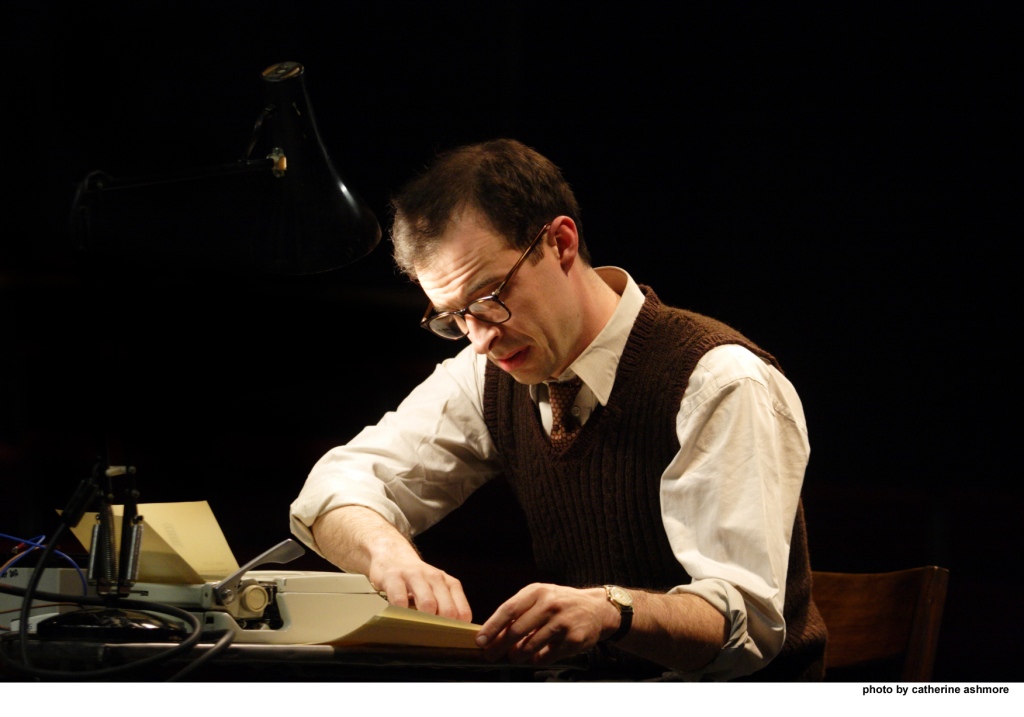
There are small marvels of characterisation too: Richard Henders as the King’s worried, frustrated jailer and Tom Vaughan-Lawlor as the, geeky, principled puritan attorney who must prosecute the King when cannier lawyers flee town.
Two Hampstead reconstructions of the past, Chariots of Fire and The Judas Kiss , have hit the West End. This may be too unforgivingly grown-up, but is none the worse for that.
Libby Purves, 25 October, 2012 -
WhatsOnStage
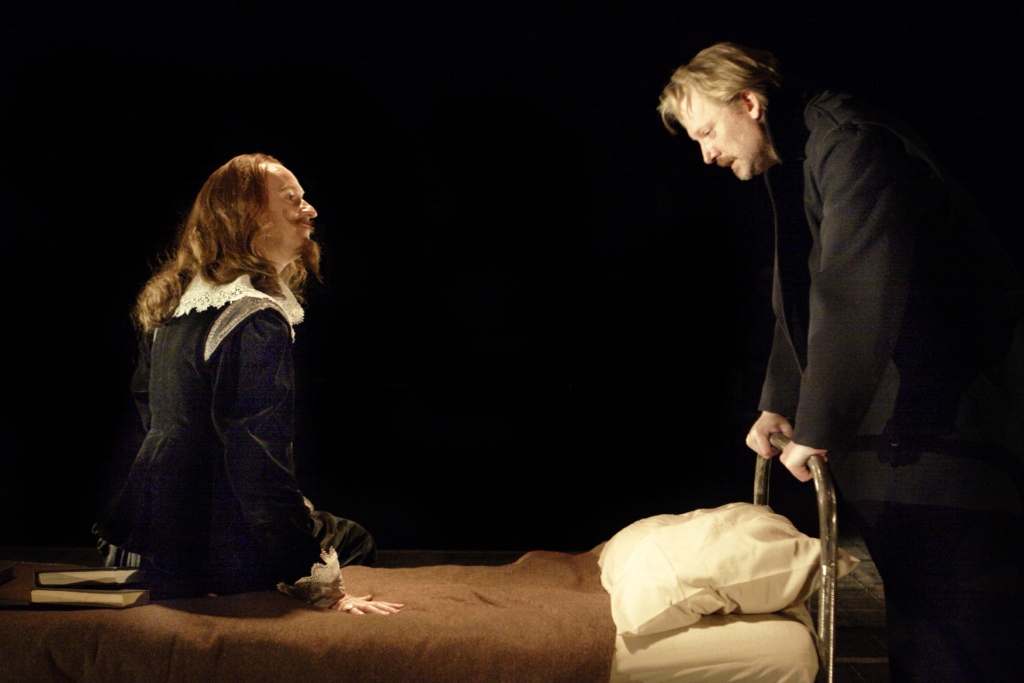
55 Days reviewGod’s Englishman, Oliver Cromwell (a mightily transfixing, but also troubled, Douglas Henshall), stands firm in his vision of liberty for all under a constitutional monarch, while the anointed king, Charles I (a brilliantly cast, effete and scathingly superior Mark Gatiss), pours scorn on the kangaroo court and its sober-suited executives.
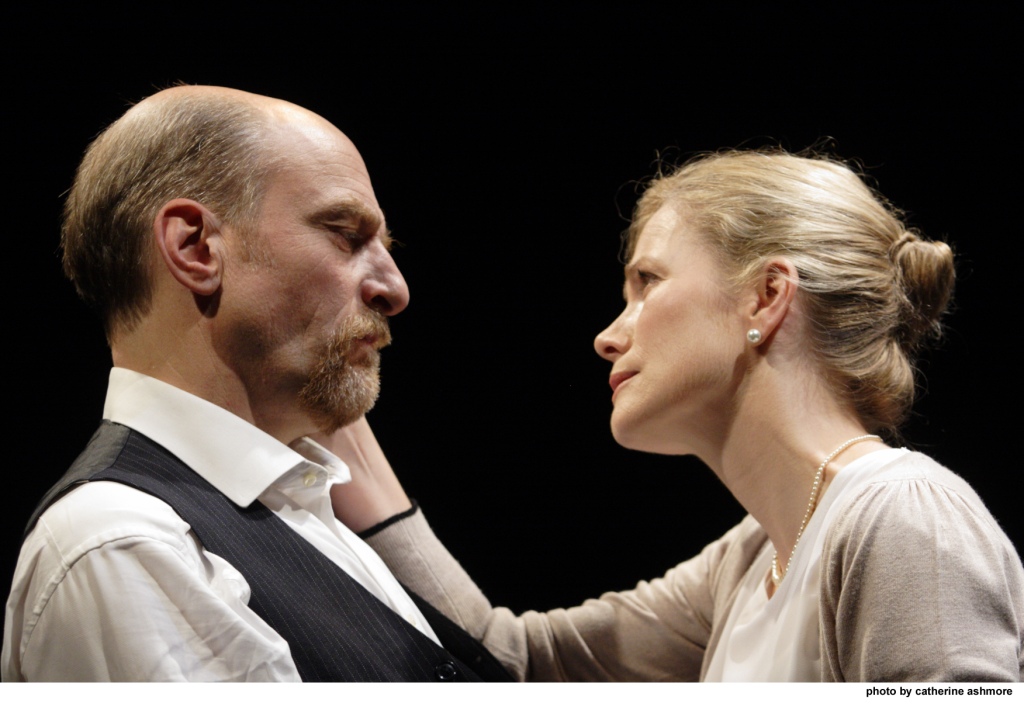
For while Brenton, with characteristic broad brush strokes, and a steely grip of narrative structure, excitingly evokes the factionalism among the regicides (Gerald Kyd as the Levellers’ leader and Abigail Cruttenden as Lady Fairfax, wife of the commander-in-chief, are particularly well drawn), the play also resonates as a metaphorical battle between suits and intellectuals.
The re-birth of Howard Brenton as a substantial historical dramatist – although you can trace the evolution, from his earliest, scabrous plays about public figures and murderers – is one of the great theatre stories of our time. And there’s something about the electrifying show-down scene between Cromwell and King Charles in the latter’s prison cell that brings us full circle in his dramatic career.
Michael Coveney, 25 October, 2012 -
The Independent
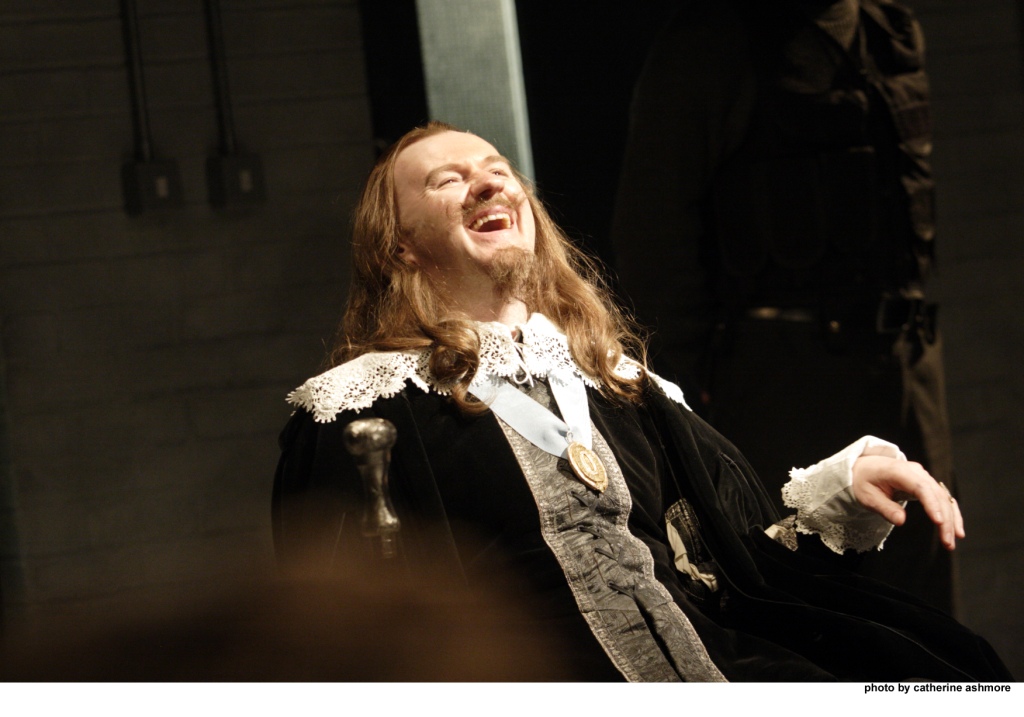
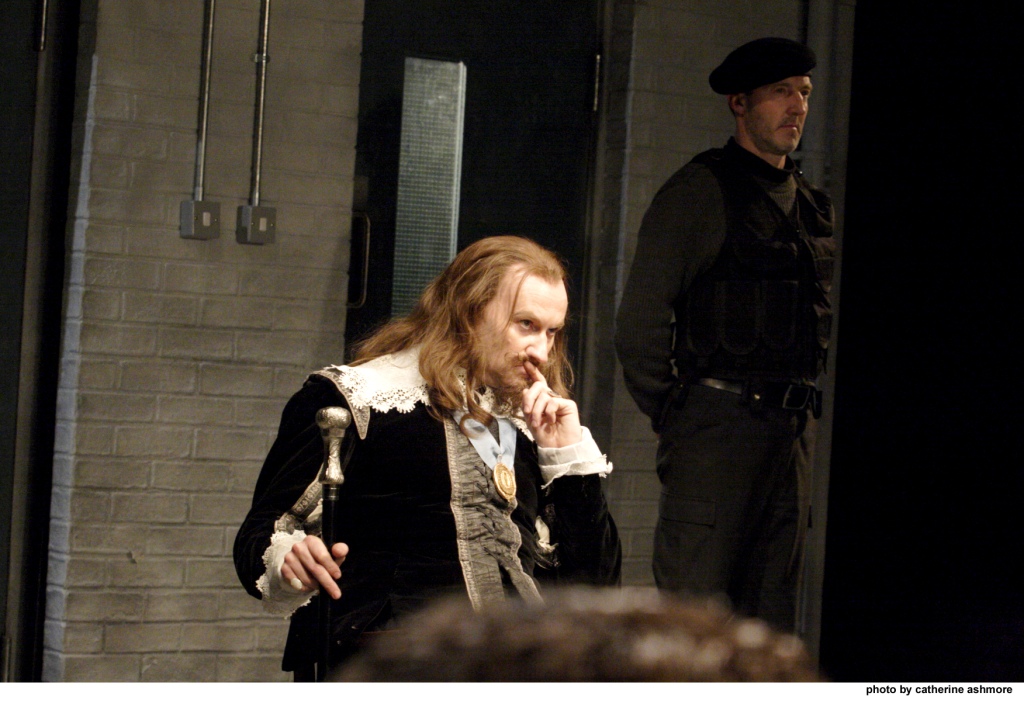
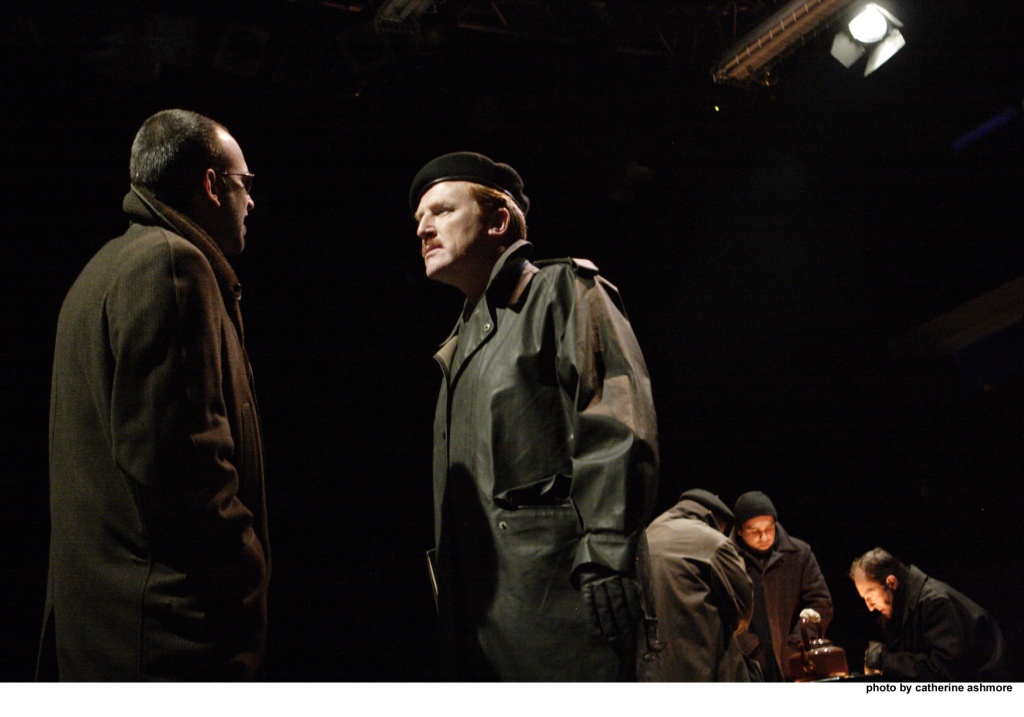
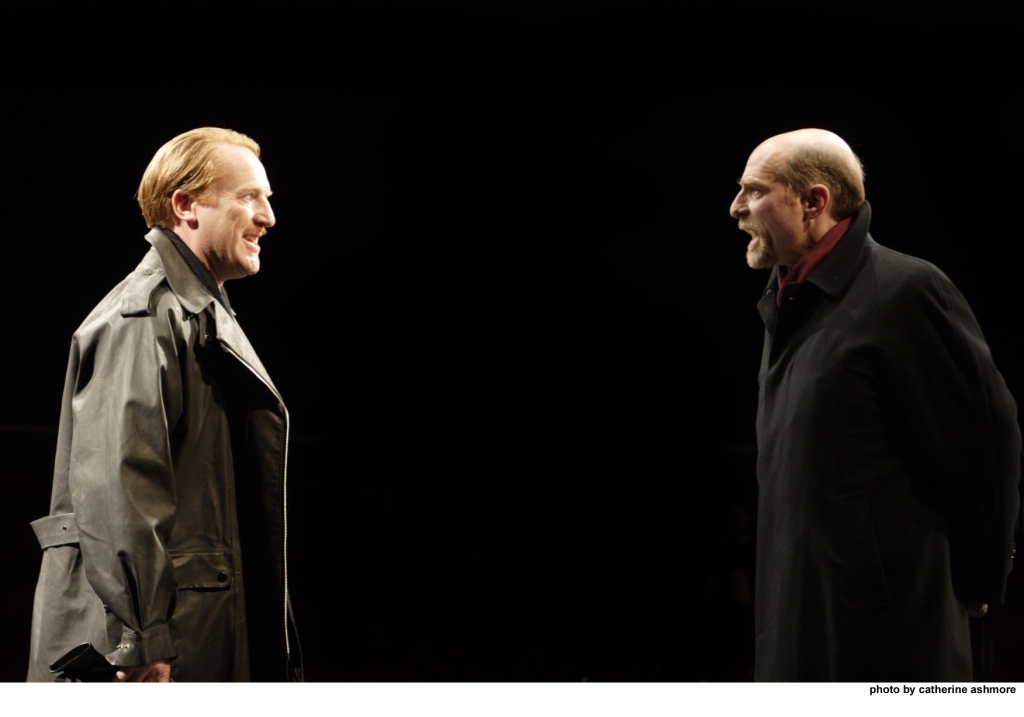
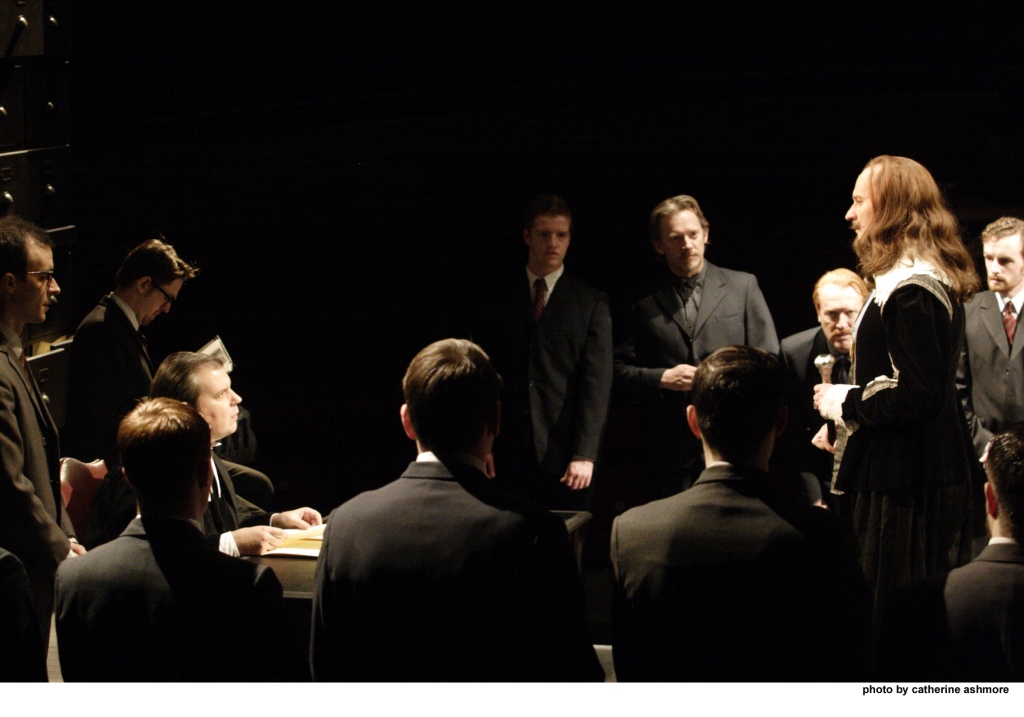
“We are not just trying a tyrant, we are inventing a country. We are in an unknown region, floating on nothing, trying to think thoughts never thought before,” declares Oliver Cromwell in Howard Brenton’s intellectually intricate and emotionally stirring new play. In Howard Davies’ forceful traverse-stage production, the men fashioning the future are kitted out in suits of 1940s vintage (another pivotal era); the only figure in seventeenth century costume is Charles I, rivetingly played by Mark Gatiss with a Scots burr, an ironically edged sense of total entitlement, and a gasping stammer of revulsion and fear whenever he has to pronounce the words “people” and “parliament”.
A demanding evening that pays handsome dividends.
Paul Taylor, 25 October, 2012 -
The Telegraph
At its considerable best, the play depicts the political process with clarity and vigour. And taking his cue from Schiller, who invented a meeting between Elizabeth I and Mary, Queen of Scots, Brenton adds a fictional scene in which Cromwell desperately tries to persuade Charles I to save his neck.
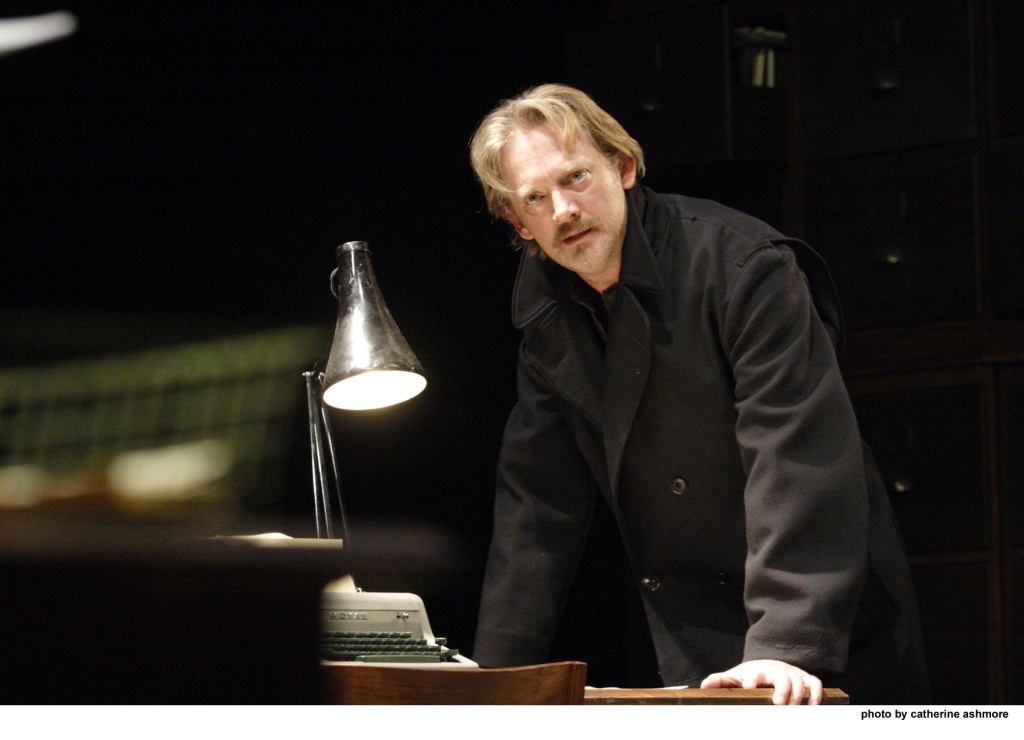
Douglas Henshall, however, brings a persuasive mixture of bustling vigour, religious fervour and moving self-doubt to Cromwell, and takes the audience completely by surprise in the brilliantly disconcerting penultimate scene.
Charles Spencer, 25 October, 2012 -
The Guardian
After plays about Anne Boleyn and Abelard and Héloïse, Howard Brenton is turning into the history man. But I have no complaint about that, since he has chosen the best models. Schiller has clearly influenced this richly stimulating play about the last days of Charles I, in that we get lots of politics plus a totally fictitious meeting between the king and Cromwell. And, like Brecht, Brenton also uses the past as a means of examining the present.
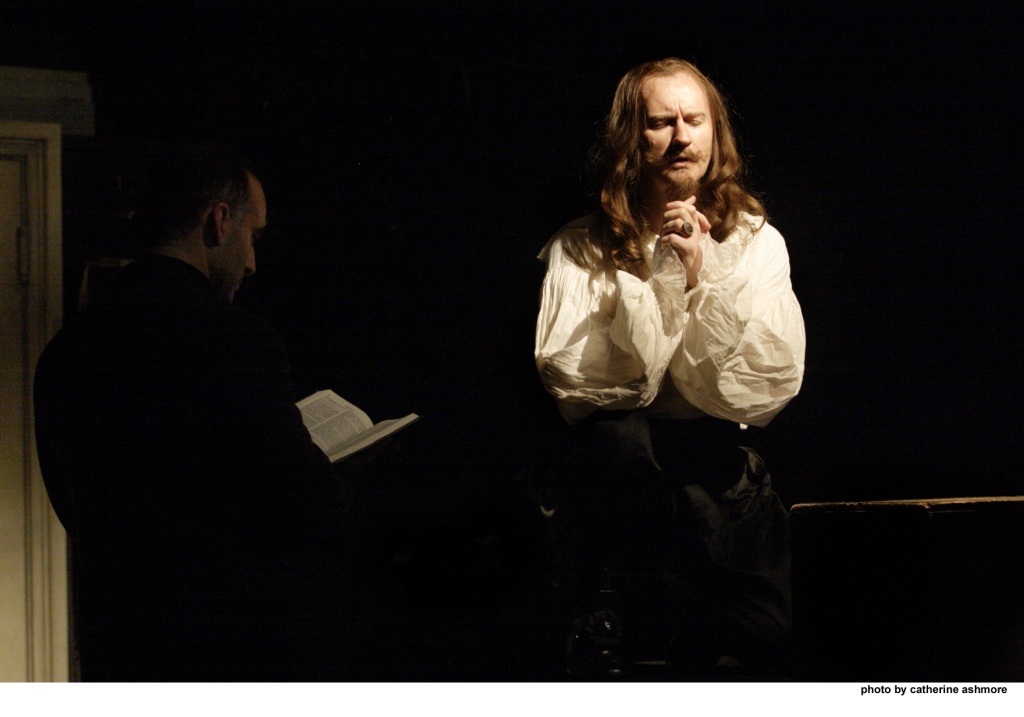
The beauty of Brenton’s play is that, as with so many of Brecht’s, there is a conflict between theory and action. We are, I suspect, meant to sympathise with Cromwell as a man of religious conviction torn between the need to execute the king and the desire to conciliate with him; and Douglas Henshall brings out to perfection the character’s smouldering internal divisions. In reality, however, Cromwell strikes me as a thundering hypocrite who claims to be an instrument of God’s will, while craftily packing the commissioners who will pass sentence on the king with yes-men. Charles I, in contrast, is at least consistent in his belief that he is divinely appointed; and Mark Gatiss, without diminishing the monarch’s arrogance, also movingly captures the dignity of his downfall, and reinforces the Shakespearean point about the essential solitude of kingship.
The real pleasure lies in seeing a pivotal moment in English history presented with such fervent dramatic power.
Michael Billington, 25 October, 2012 -
The Observer
Howard Brenton’s new play 55 Days also heads towards a violent foregone conclusion. It is set during the English civil war at the moment when Parliament is voting whether Charles I should be tried. It ends with his execution. Brenton helps one experience this chapter in history as the extraordinary, unthinkable, bloody turning point it was. The parallel with today is in the uncertainty of the times, the sense of a country on the brink of disaster; this gives the play its charge.
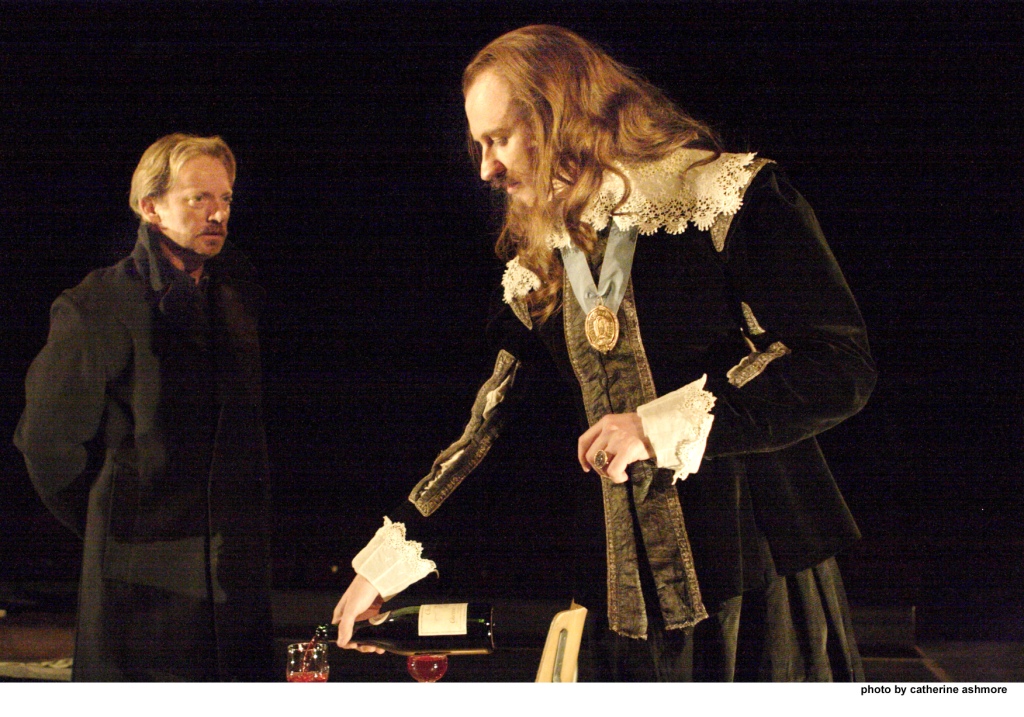
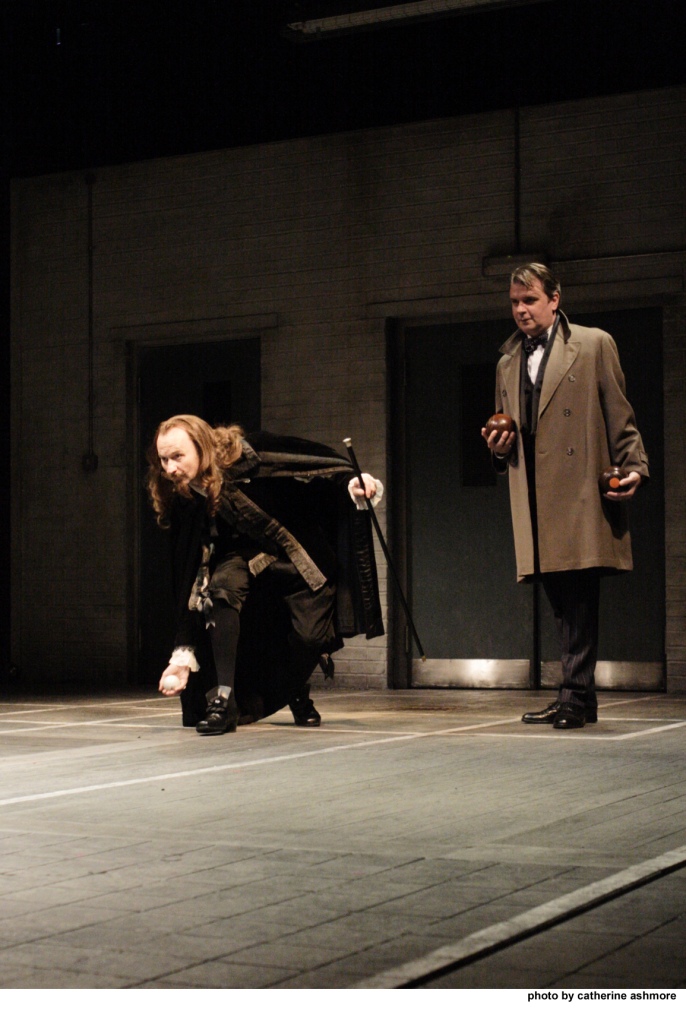
Howard Davies directs with unerring panache. Ashley Martin-Davis’s design is resolute, grey, puritanical. Only Charles is dressed for the 17th century in Antwerp lace, buckled shoes and cloak, a hint that he is history while the others, in their suits, serve the future. He is exquisitely played by Mark Gatiss, a balance of courage, frivolity and bloody-mindedness. His royal error is to believe himself above – way above – the law, answerable only to God. The word “cavalier” was made for him.
It is a play, as you would expect from Brenton, of intellectual grip but with more head than heart. Its greatest strength is in its exploration of authority – divine and otherwise (a good subject for a writer who has such authority himself). Both Charles and Cromwell believe God is directing them. But who is “God’s Englishman”? Step forward Douglas Henshallas Cromwell. He is charismatic; there is an amazing relaxation at the centre of his performance as he shows us what leadership is. We witness his changes of heart – his struggle between the humane desire to compromise and vain, violent impetuosity. The play’s most masterly scene describes what never happened: Charles and Cromwell meet over a bottle of wine and find nothing – and then everything – to say.
Kate Kellaway, 25 October, 2012 -
Financial Times
Howard Brenton*’s trick is to bind King and Lord Protector tight together like superhero and villain. As Charles, *Mark Gatiss is commanding throughout – quietly meditative at first, then robust in his own defence – but Douglas Henshall is superlative. His utterly humourless Cromwell grows indignant and febrile as the king maintains dignity. Stillness becomes quaking gesticulation and he seems every bit as dictatorial as the accused, finally bursting into giggles as he signs the death warrant.
Absorbing and rich, 55 Days is a rewarding warning against revolutions that turn 360 degrees.
Matt Trueman, 25 October, 2012 -
Time Out
‘Sherlock’ writer, actor and League of Gentlemen comic Mark Gatiss is one of the most talented men in showbiz. Which is one reason why there were more stars watching him make his poodle-wigged debut as King Charles I than there were onstage in Howard Davies’s gripping, low-key production of Howard Brenton’s new history play.
It’s unusual to see the English Civil War staged by anyone other than military nerds in some soggy Midlands field. It’s a fascinating founding period for modern Britain. But it was a long, bloody battleground of ideas and religious loyalties – with a stuttering Stuart rather than a flamboyant Tudor redhead in the leading role.
Caroline McGrinn, 25 October, 2012
Artistic team
December 1648.
The army has occupied London.
Parliament votes not to put the imprisoned King on trial, so the army moves against Westminster and the only military coup in English history takes place. But the army leadership remains divided: Cromwell would prefer a compromise with the King, but the King will not compromise.
A new nation must therefore be forged…and over 55 days, an entirely new world is created.
Howard Brenton depicts the culmination of the mid-seventeenth century. In these dangerous and dramatic times, in a country exhausted by Civil War, the great men of the day were trying to think the unthinkable: to create a country without a king. Brenton’s most recent theatre credits include The Ragged Trousered Philanthropists (Liverpool Everyman/ Chichester Festival Theatre), Danton’s Death and Never So Good (National Theatre) and the award winning Anne Boleyn (Shakespeare’s Globe).
Brenton reunites with director Howard Davies after their critically acclaimed productions of Never So Good and Paul (National Theatre). Associate Director of the National Theatre, Davies numerous theatre credits include The Cherry Orchard, Burnt by the Sun, The White Guard and Blood and Gifts (all National Theatre), A Moon for the Misbegotten (Old Vic/Broadway) and Who’s Afraid of Virginia Woolf? (Almeida).
Mark Gatiss has recently been on stage at The Donmar Warehouse in The Recruiting Officer, at the National Theatre in Season’s Greetings and All About My Mother at the Old Vic. On television he has played Mycroft Holmes in the BBC’s cult Sherlock, and has major roles in The Crimson Petal and The White, Being Human, Worried About The Boyand George Gently. Recent film includes Match Point directed by Woody Allen, andStarter for Ten.
Douglas Henshall’s recent stage credits include Betrayal (Comedy Theatre), The Last Days of Judas Iscariot (Headlong/Almeida Theatre) and The Cryptogram (Donmar Warehouse). His many TV appearances include leads in Shetland and The Secret of Crickley Hall (BBC 1), Doors Open (ITV 1), South Riding and The Silence (BBC 1). Films include Dorian Gray and Ripley Underground.
Cast
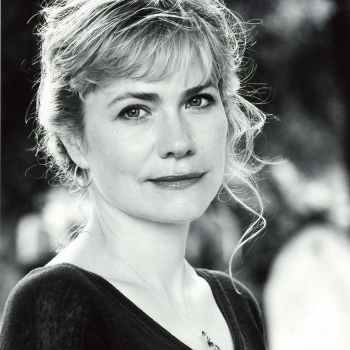
Lady Fairfax
Abigail Cruttenden
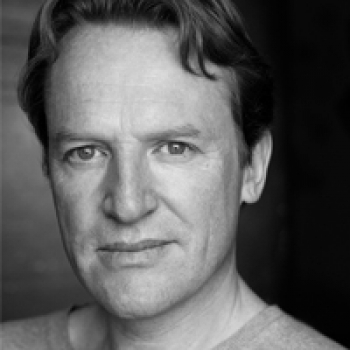
General Ireton
Daniel Flynn
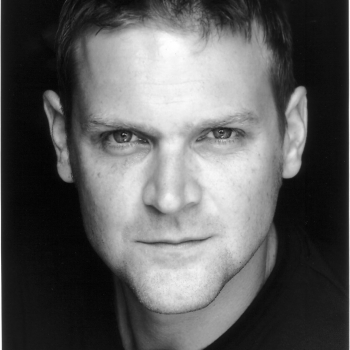
Thomas Harrison
Matthew Flynn
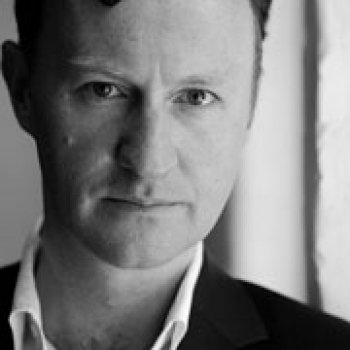
King Charles I
Mark Gatiss
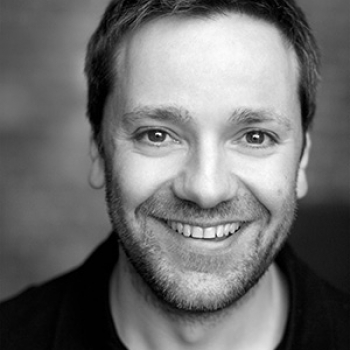
Robert Hammond
Richard Henders
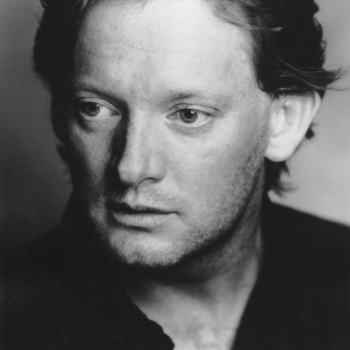
Oliver Cromwell
Douglas Henshall
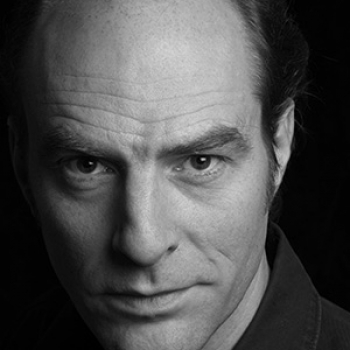
Lord Fairfax
Simon Kunz
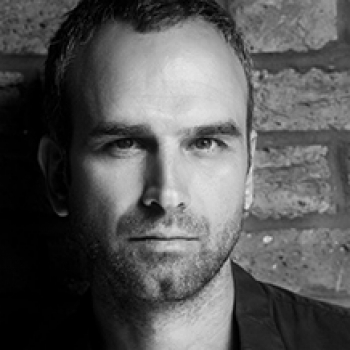
John Lilburne
Gerald Kyd
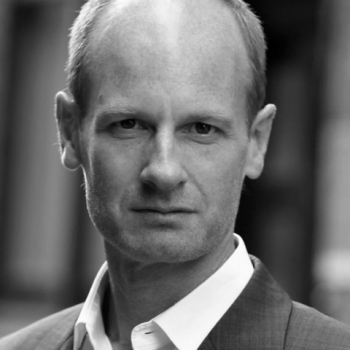
Speaker Lenthal
John Mackay
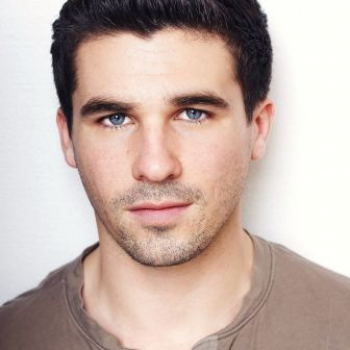
Trooper/Axtell
Jordan Misfud
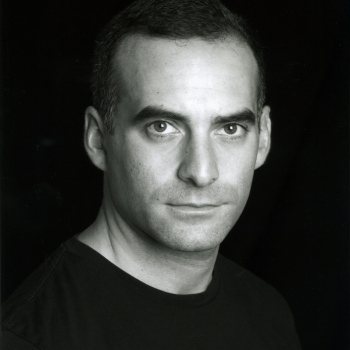
Trooper/Colonel Pride/Priest
Gerard Monaco
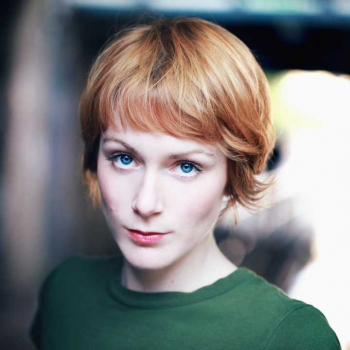
Mary Cooke
Laura Rogers
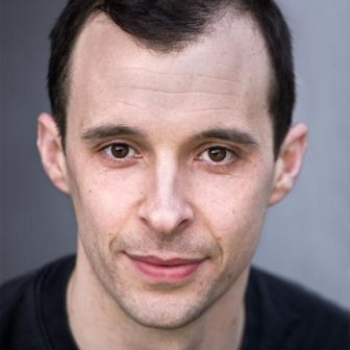
John Cooke/Lord Grey/Prynne
Tom Vaughan-Lawlor
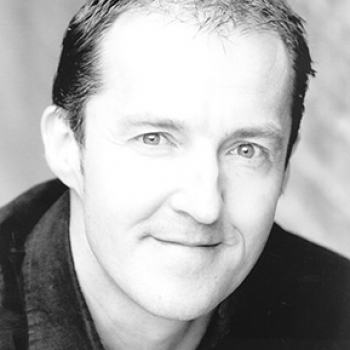
Chillenden/Executioner/Trooper
Jem Wall
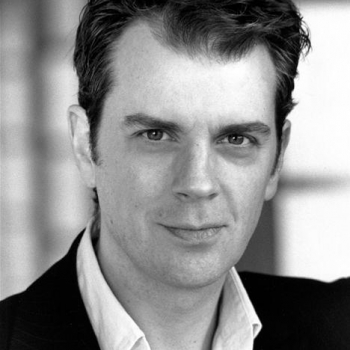
Duke of Richmond/John Bradshaw
James Wallace
55 Days: Mark Gatiss visits Charles I's execution vest
Mark Gatiss, currently playing Charles I in the sell-out 55 Days, paid a visit to The Museum of London on 12 November to examine a garment of clothing remarkably preserved since the 16th Century.
55 Days: Will Mortimer interviews Howard Brenton
Hampstead Theatre’s Literary Manager, Will Mortimer interviews 55 Days playwright, Howard Brenton.
Edward Hall introduces 55 Days
55 Days was the first play I commissioned as soon as I became Artistic Director of Hampstead at the beginning of 2010.
55 Days: Full Casting Announced
Mark Gatiss’ King Charles I will be joined by Douglas Henshall who shall be taking on the role of Oliver Cromwell in Howard Brenton’s new play, 55 Days, which explores the dramatic aftermath of the English Civil War.
55 Days Director announces exciting new staging plans
Howard Davies has announced his plans to transform the Hampstead Theatre stage into a traverse layout for the highly anticipated 55 Days.
Latest casting announcement: 55 Days
We’re delighted to announce that Mark Gatiss will play King Charles I in the premiere of 55 Days, Howard Brenton’s new play about the events leading up to the execution of a king.
Full price: £29
Mondays/previews: £22
Concessions: £15
Seniors: £15 (matinees only)
Groups: For every 9 tickets get the 10th free
Access: £14.50
Audio described performance:
10 November at 3pm, with a touch-tour at 1.30pm
Captioned performance:
6 November at 7.30pm, with a transcribed post show discussion
Video and Image Gallery
KEEPING YOU SAFE AT HAMPSTEAD

RESPECT PERSONAL SPACE

FACE MASKS ENCOURAGED

STATE OF THE ART VENTILATION

ENHANCED CLEANING

CONTACTLESS TICKETS

HAND SANITISING STATIONS

CASHLESS PAYMENT